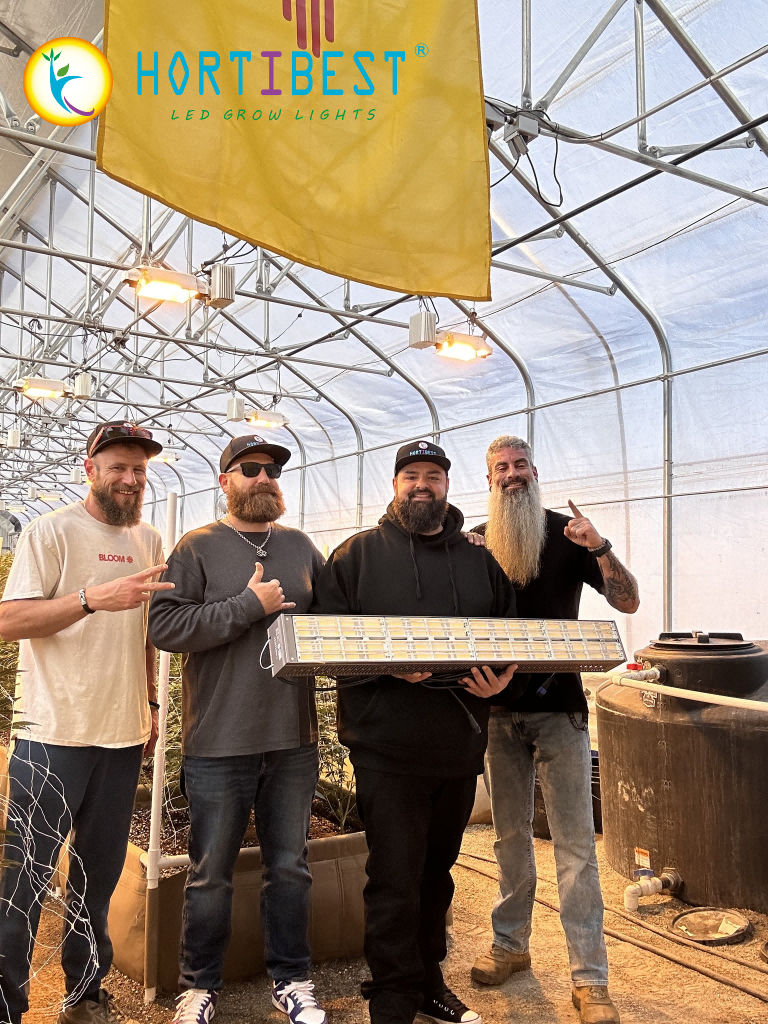
 Case Study: Why an HPS Grower Switched to Shark‑2600 – Not for Savings, but for Even Light from Top to Bottom
Jun .03.2026
A Pacific Northwest facility ran 1000W HPS for five years. Solid yields, but shadows left lower branches behind, and HPS lacked blue/far‑red. Other LEDs dropped THC or created hot spots.
Then Shark‑2600. Not for the 24% power savings – for the linear bar design and full‑cycle FIF spectrum. Fixed the shadows. Improved lower canopy density.
Result: Same yield, same THC. 8–10% denser lower buds.
Below: The 5 questions they asked – answered with test data.
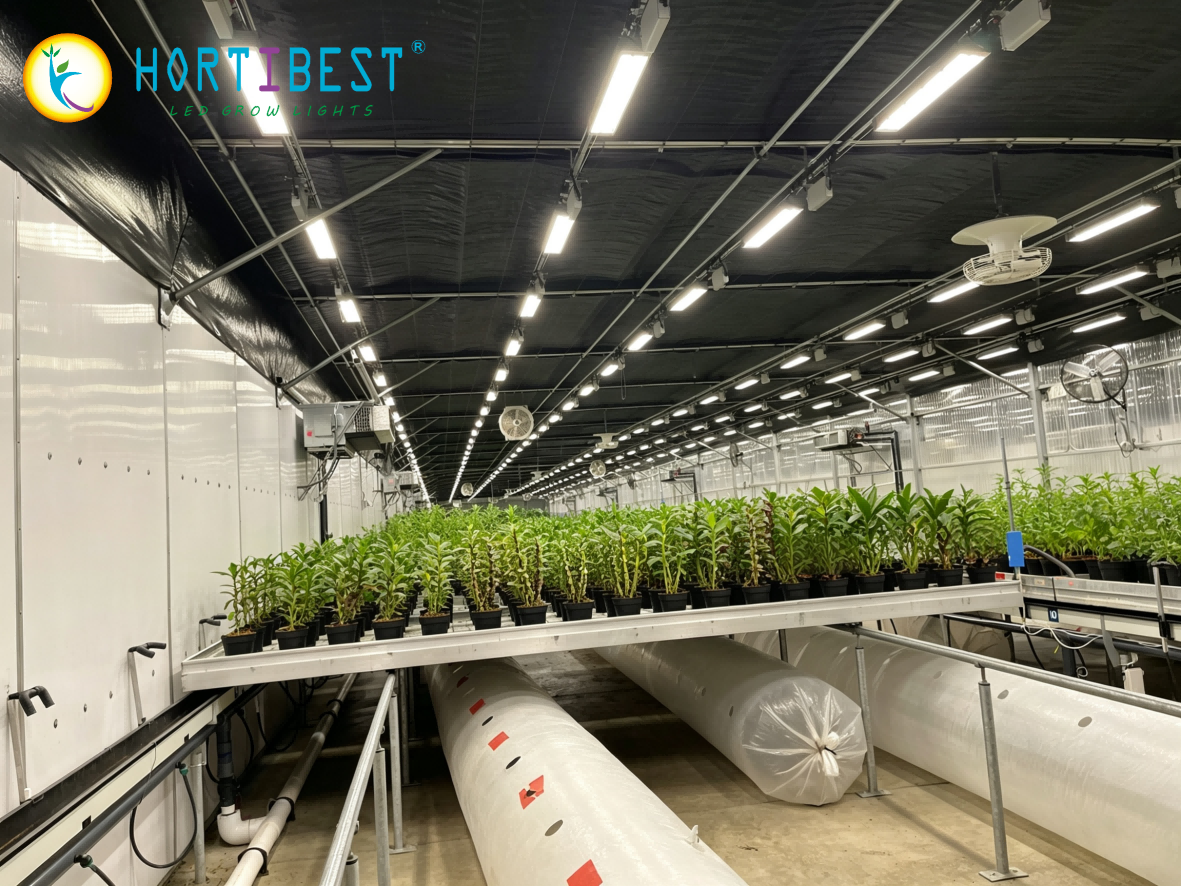 What Size Grow Light Do You REALLY Need? Stop Asking Watts – Use PPF, PPFD & DLI Instead
May .27.2026
Stop guessing watts. Learn how to match grow lights to your greenhouse canopy — calculate PPF needed, understand PPFD & PPE. Boost yield per dollar. For serious flower and medicinal plant producers. Use PPFD, DLI & PPE to pick the right grow light size, distance, and efficiency. Works for greenhouse, vertical farms and home tents and . Start growing smarter today.
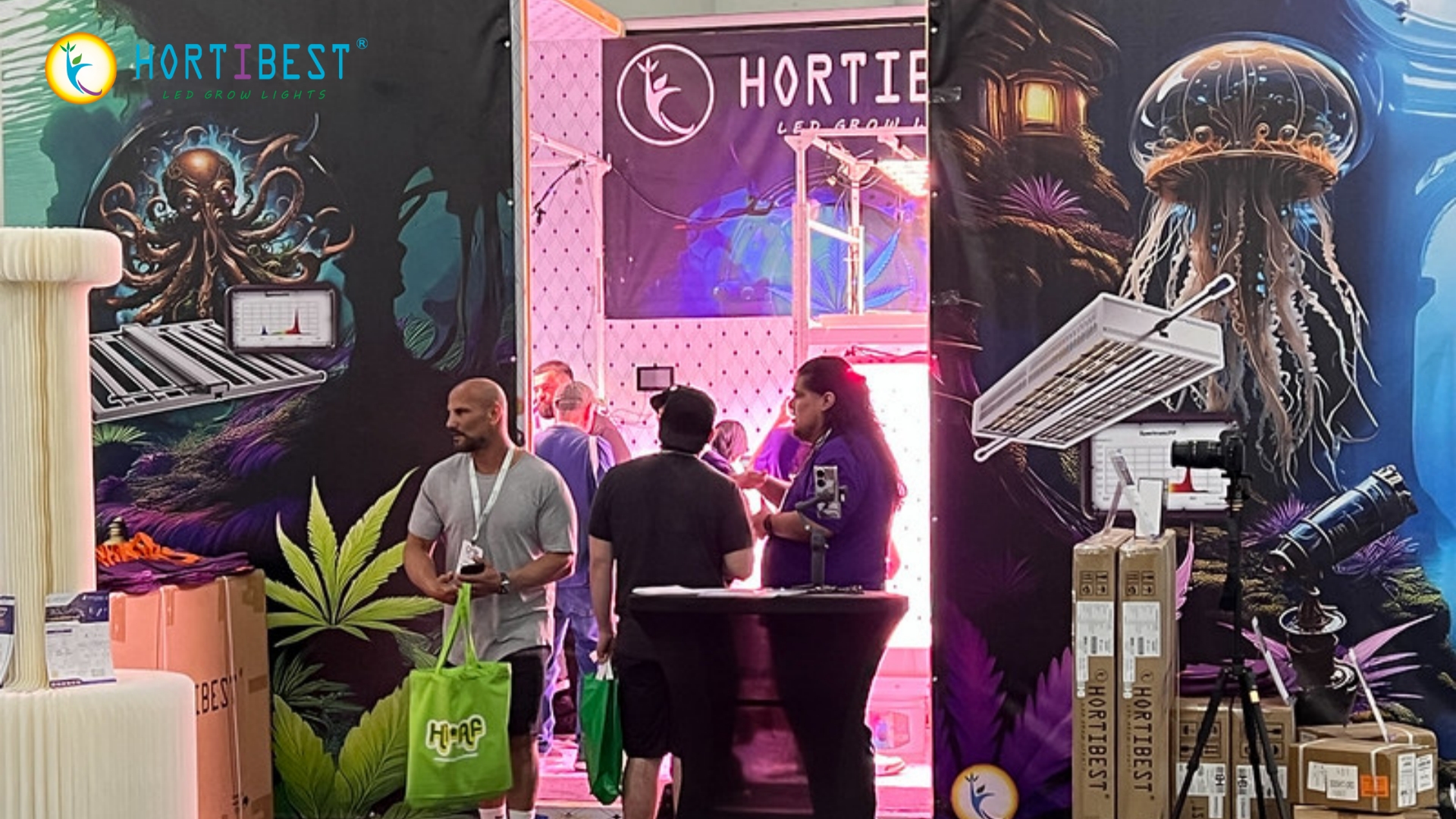 HortiBest LED Grow Lights-Development History
May .19.2026
We understand every grower wants maximum returns from your hard work.
We design our grow lights purely to serve your planting benefits. Precise spectrum boosts crop growth, cuts power costs, extends service life and lifts your final yields.
No fancy gimmicks, only practical lighting solutions that truly add value to your farm and maximize your profits.
HortiBest, Light the world, light the life.
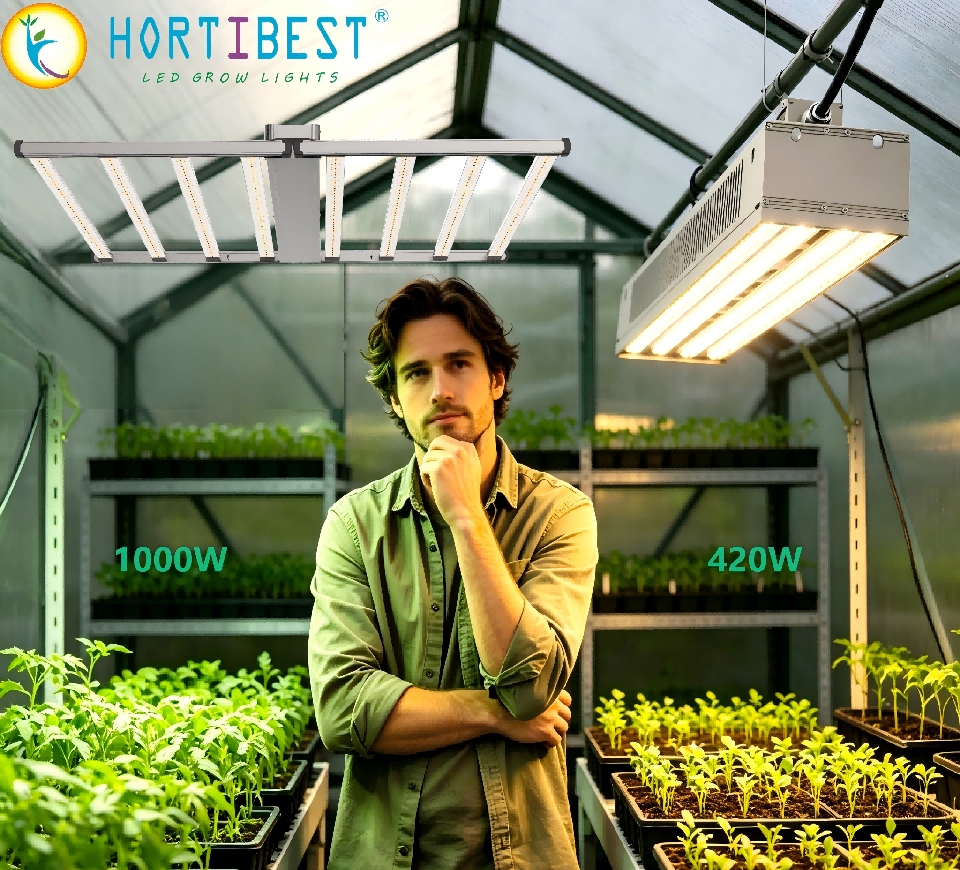 1000W vs 400W Grow Light: Which One Fits Your Grow?
May .07.2026
Wasting money on the wrong greenhouse grow light? Higher wattage doesn’t always mean better harvests.
400W is perfect for small greenhouses, hobby grows and specialty crops—lower electric bills, balanced light with zero leaf burn.
1000W fits commercial large greenhouses and dense canopies, bringing stronger light penetration, faster blooming and bigger profits that easily cover power costs.
Find your perfect match in one click.
 Case Study: Why an HPS Grower Switched to Shark‑2600 – Not for Savings, but for Even Light from Top to Bottom
 What Size Grow Light Do You REALLY Need? Stop Asking Watts – Use PPF, PPFD & DLI Instead
 HortiBest LED Grow Lights-Development History
 1000W vs 400W Grow Light: Which One Fits Your Grow?


