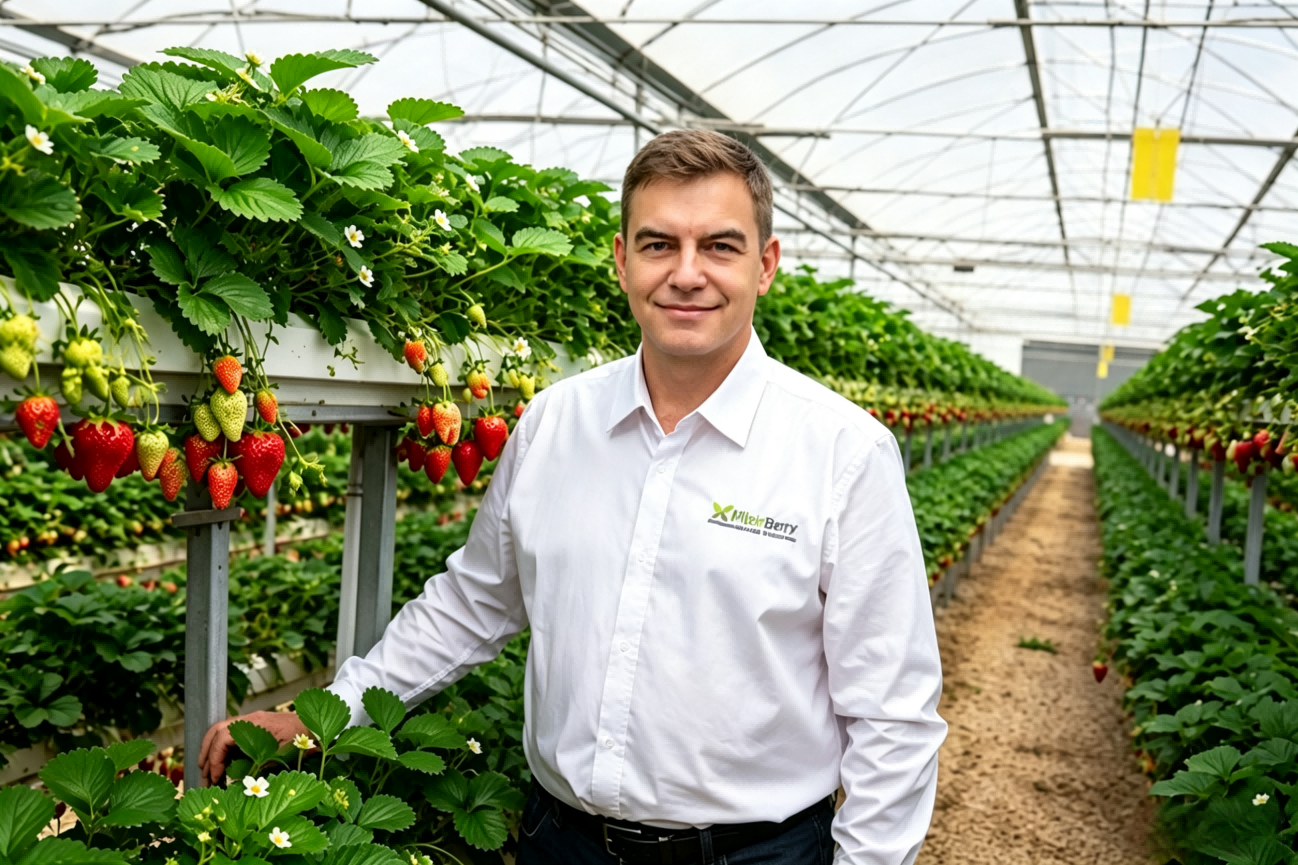
Grower Background & Minnesota Winter Strawberry Pain Points
Northern Minnesota commercial berry grower Miller Berry Greenhouse runs a 12,000 sq ft glass greenhouse specializing in day-neutral Albion & Seascape strawberries, supplying local grocery chains, farm markets and premium cafes.
Before switching from outdated 1000W HPS fixtures to Hortibest Shark‑2600 linear LED top lighting, the farm faced crippling regional winter growing limits unique to Minnesota’s cold, low-light winters:
Short, overcast daylight (Nov–March daily natural light falls under 6 hours; insufficient DLI triggers stunted flowering, small pale berries and heavy crop loss)
HPS lamps generated extreme waste heat, forcing constant HVAC cooling that inflated monthly electricity bills by 38% during peak off-season production
Uneven canopy light penetration left lower strawberry trusses shadowed, creating inconsistent ripening, low marketable fruit volume and rejected under-sweet berries
No precise light dimming control—fixed HPS output wasted power during cloudy mild days, with zero way to adjust photoperiod for extended harvest windows
High humidity in Minnesota heated greenhouses corroded old unrated fixtures, leading to frequent lamp replacements and unplanned downtime
Northern Minnesota’s five core winter strawberry growing challenges are fully resolved by Shark‑2600’s verified design, spectrum and performance specs:
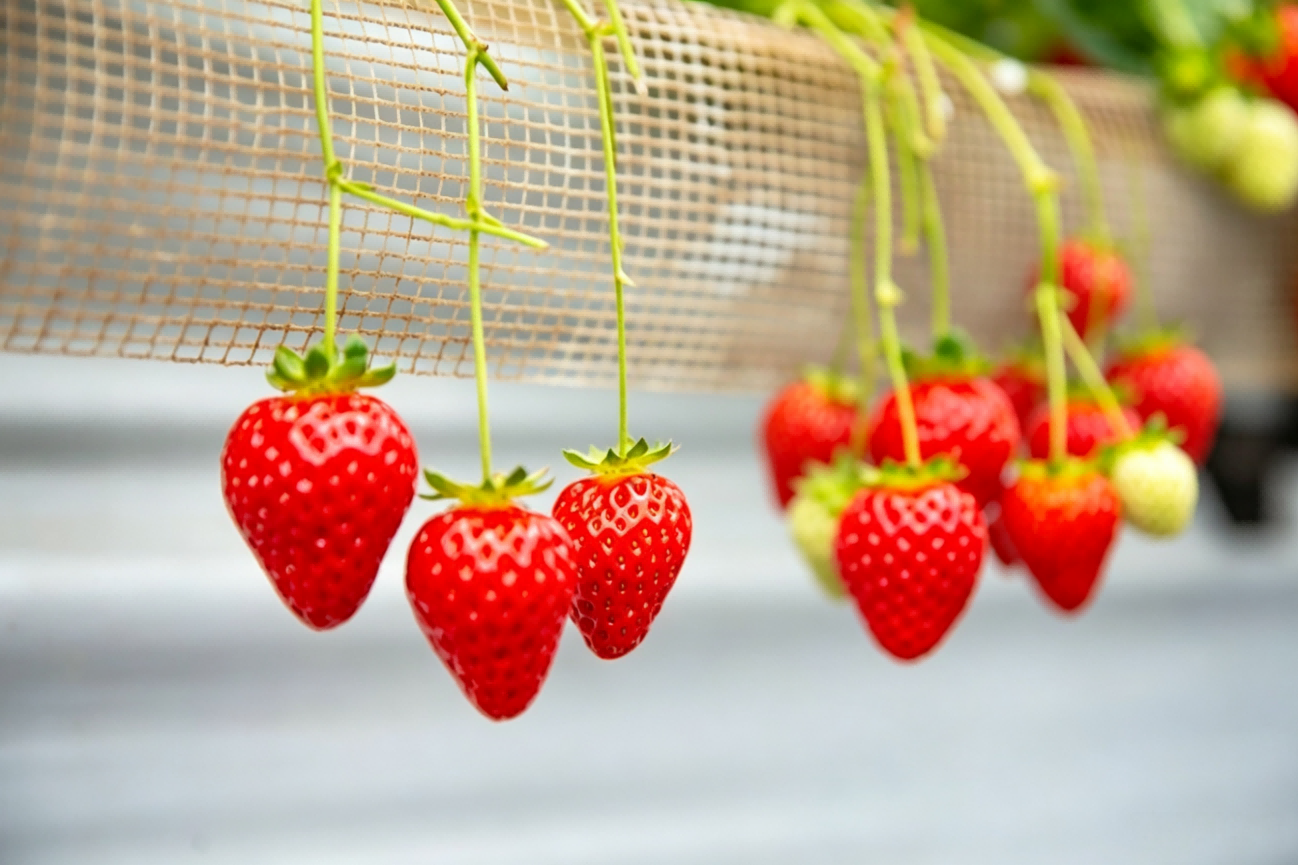
Measurable Off-Season Performance & 40% Revenue Lift (Nov–April Off-Season Window)
After 1 full winter growing cycle with Shark‑2600 LED top lighting, the grower documented verified production and financial gains exclusive to their cold-climate Minnesota strawberry operation:
1. Off-Season Marketable Yield Uptick
Consistent DLI maintenance via dimmable Shark‑2600 lighting extended viable strawberry harvest from late February through mid-April—3 extra weeks of peak premium pricing local buyers pay for fresh in-state winter berries. Uniform canopy penetration boosted total marketable fruit weight by 27% vs prior HPS seasons; pale, unripe cull berries dropped by 32%.
2. 40% Higher Off-Season Gross Income
Minnesota winter strawberries command a $2.8–$3.5/lb premium over summer field-grown fruit. Combined longer harvest window + higher usable yield pushed the greenhouse’s November–April gross revenue up 40% year-over-year. The grower eliminated gaps in their local retail supply contract, locking in long-term wholesale pricing priority with regional grocery partners.
3. Massive Operational Energy Cost Reduction
Shark‑2600’s ≥0.95 power factor and high μmol/J efficiency cut lighting electricity consumption by 42% compared to old HPS setups. The passive low-heat design removed the need for daytime supplemental cooling in winter, trimming HVAC energy spend an additional 21%. Combined utility savings accelerated the full LED retrofit ROI timeline to just 2.2 growing seasons.The DLC-certified Shark‑2600 fixtures also qualified the Minnesota farm for local utility energy efficiency rebates, covering 22% of the upfront lighting investment cost.
4. Zero Maintenance Downtime Through Cold Humid Winters
No fan motors to fail, sealed IP65 housing and heavy-duty aluminum construction meant zero fixture replacements or service calls during the harsh Minnesota winter growing cycle. The grower eliminated weekly HPS bulb swap labor and spare lamp inventory costs entirely.
Grower Direct Testimonial
“Minnesota’s gray, short winter days used to tank our strawberry bottom line—HPS lights burned through power, baked our greenhouse and still left half our berries unmarketable. After installing Hortibest Shark‑2600 linear top lights, we hold steady ideal DLI all winter long. Uniform light hits every fruit truss, our berries taste sweeter, we sell for premium prices 3 weeks longer, and our off-season revenue jumped a full 40%. The low heat alone knocked thousands off our monthly cooling bills, and the daisy-chain wiring made installation far simpler than we expected. This fixture is built for humid northern greenhouses, no question.”— Jake Miller, Owner, Miller Berry Greenhouse, Central Minnesota
Why Shark‑2600 Is The Top Linear LED Choice For Northern US Greenhouse Strawberry Growers
Optimized full spectrum with boosted deep red wavelengths to fuel strawberry flowering, fruit sugar accumulation and consistent ripening in low-sun northern climates
Linear bar shape delivers seamless, shadow-free canopy coverage across wide berry bench rows
Silent passive cooling eliminates heat stress that ruins strawberry fruit quality in insulated winter greenhouses
DLC-listed, IP65-rated, fully dimmable and daisy-chainable for scalable commercial berry operations across Minnesota, Wisconsin, North Dakota and other high-latitude cold states
Ready to calculate your greenhouse’s off-season yield & revenue boost with Shark‑2600 linear top lights? Reach out to our commercial horticulture team sales@hortibest.com for a free custom lighting layout and Minnesota utility rebate breakdown tailored to your berry crop.
 EU PPWR Packaging Regulation Takes Effect Aug 12 | How Hortibest LED Grow Lights Fully Comply
 HPS to Tunable LED Grow Lights: Why Your Old Irrigation Schedule Will Cost You Yields
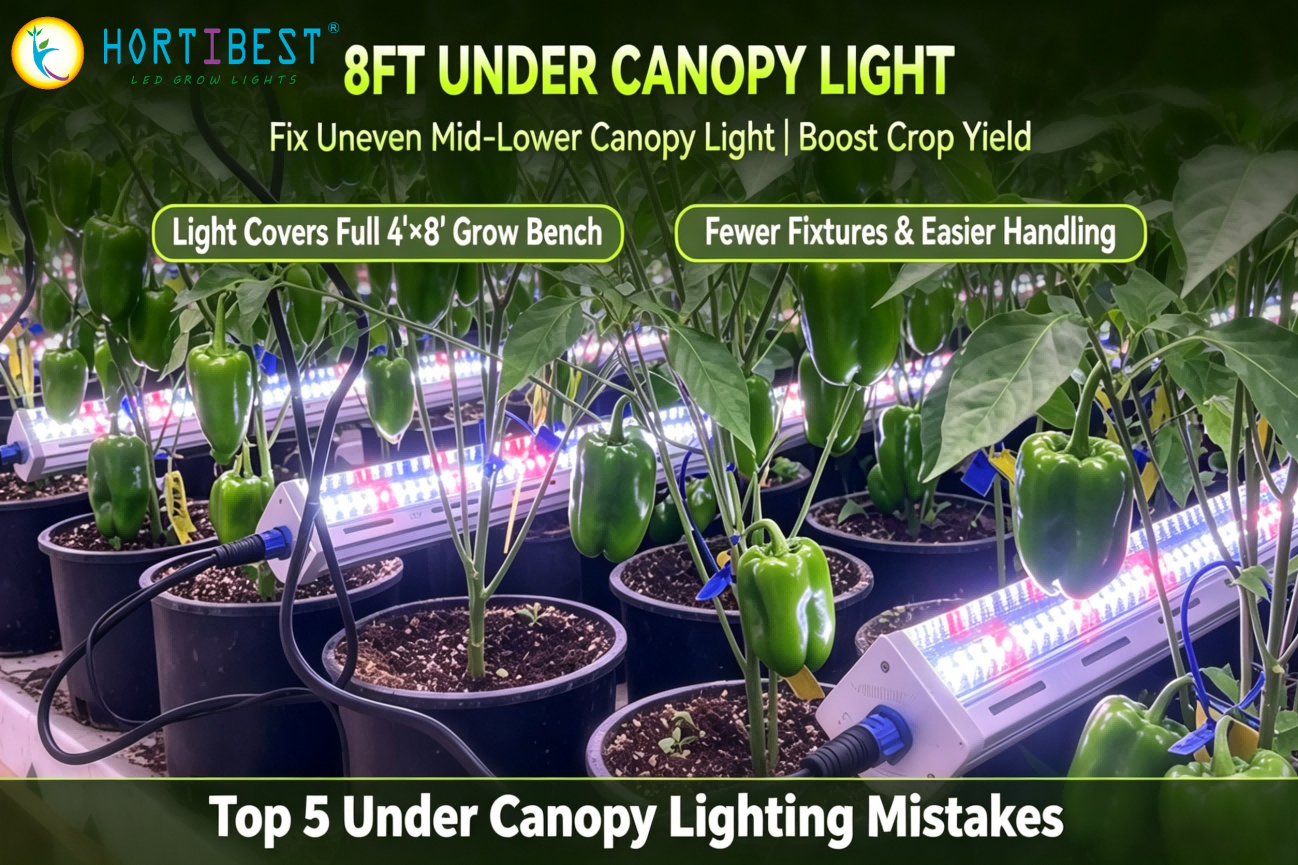 Top 5 Under Canopy Lighting Mistakes Commercial Growers Make | UCL Best Practices
 Cloning Weed: What Is It & How to Clone A Weed Plant


