For gardeners across the United States, March is a month of anticipation. While the last frost dates may still be weeks away for many in the North and Midwest, the urge to get our hands in the soil is undeniable. Whether you’re in zone 5 staring at a snow-covered yard or in the South trying to beat the heat, starting seeds indoors is the secret to a bountiful summer garden. Thanks to the latest breakthroughs in LED technology, giving your seedlings the best possible start has never been more efficient or affordable.
In many regions, the March sun is deceptive. It might look bright through a window, but the intensity is often too low, and the days are still too short for robust plant growth. Without supplemental lighting, seedlings often become “leggy”—stretching toward the insufficient light, resulting in weak stems that struggle to thrive after transplanting.
This is where modern LED grow lights come in. Unlike the windowsill of the past, today’s lights allow you to control the environment entirely. The goal for March seeding is to produce short, stocky, dark-green seedlings with strong root systems. The right LED setup is the only way to guarantee this outcome consistently -2-4.
The plant lighting industry is moving at lightning speed. For the 2026 growing season, several key trends are dominating the market, making it an exciting time to upgrade your indoor setup.
Gone are the days of blinding purple lights. The latest fixtures focus on full-spectrum white light, which is not only more pleasant for your eyes but better for you as a gardener. It allows you to spot pests, diseases, or nutrient deficiencies easily because plants look like they are under natural sunlight.
However, the tech behind the scenes has advanced. Manufacturers are now fine-tuning specific red and far-red wavelengths (like 660nm and 730nm) to trigger the “Emerson Effect,” boosting photosynthesis efficiency dramatically without wasting energy on green light that plants don’t use.
With energy costs a concern for everyone, the latest LED chips incredibly high Photosynthetic Photon Efficacy (PPE) ratings (measured in µmol/J). Higher PPE means more light for your plants and less money on your electric bill. Furthermore, these new LEDs produce very little heat, allowing you to place lights as close as 6 inches from your plants without burning them, which is crucial for compact seedling setups.
Ready to get growing? Here’s how to apply the latest technology in your home.
For starting vegetable seeds (tomatoes, peppers, brassicas) and herbs, always opt for a “Full Spectrum” or “Sun White” light rated between 5000K and 6500K. This mimics the high-noon sun and encourages compact, healthy vegetative growth. If you plan to take your plants all the way to flowering and fruiting indoors (like micro-dwarf tomatoes or peppers), look for fixtures that allow you to emphasize the red spectrum later in the cycle.
Speaking of reliable gear, brands like Hortibest are gaining traction among serious home growers for their professional-grade spectrum control. Their fixtures are designed to bridge the gap between commercial efficiency and home-grower usability, often featuring high PPFD outputs that rival larger commercial setups.
If you are starting a lot of seeds (maybe for a community garden or a large backyard), look for lights that are chainable. Many modern fixtures, including some from Hortibest’s "Shark series", allow you to connect multiple units to a single power outlet, simplifying wiring and control in a grow tent or on a shelving unit.
As the market becomes saturated with cheap, unnamed grow lights from various online sellers, discerning gardeners are starting to look for engineering-backed reliability. This is where Hortibest has been making waves.
According to recent grower discussions and product specs, Hortibest focuses on what matters: usable light. Their goal is to ensure that the light reaching your plant canopy (the PPFD) is uniform and intense. For example, their professional fixtures are noted for significantly higher PPFD output compared to standard T5 fluorescents or entry-level LEDs, with lower power consumption and reduced BTU output—meaning they keep your grow room cooler.
Whether you are setting up a small grow tent or converting a spare room into a "grow room," investing in a reputable brand ensures you get the 5-year warranties and durable components (like high-quality Samsung or Bridgelux chips) that cheap no-name brands often skip.
March is the make-or-break month for the summer garden. By harnessing the power of 2026’s LED advancements, you can ensure that by the time May arrives, you aren’t planting fragile, stressed seedlings, but strong, resilient plants ready to explode with growth.
Whether you choose a simple clip-on light for a few pots of basil or a full-scale 800W system for a basement harvest, the key is to start now. Give your plants the light they crave, and they will reward you all summer long.
Description: It's March! Start your garden seeds indoors with the latest 2026 LED grow light technology. Learn about full-spectrum lights, smart timers, and why brands like Hortibest are changing the game for American home growers.
 EU PPWR Packaging Regulation Takes Effect Aug 12 | How Hortibest LED Grow Lights Fully Comply
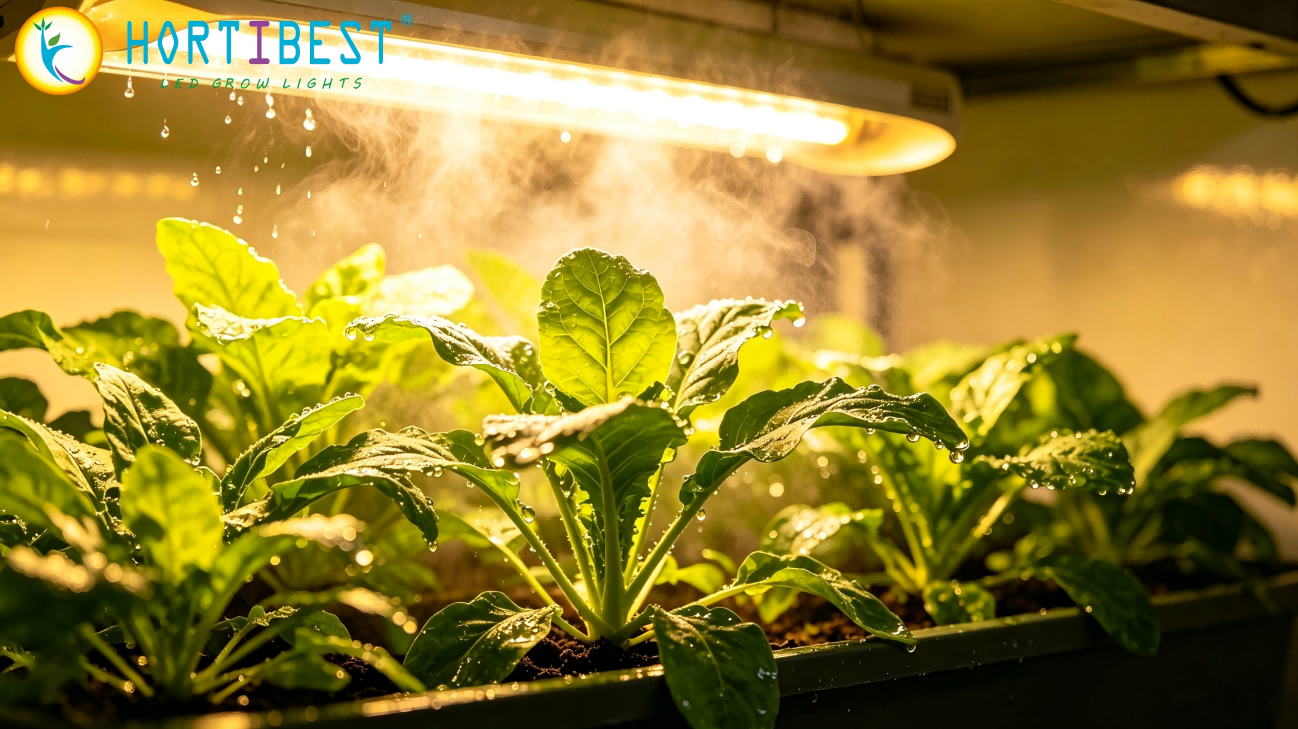 HPS to Tunable LED Grow Lights: Why Your Old Irrigation Schedule Will Cost You Yields
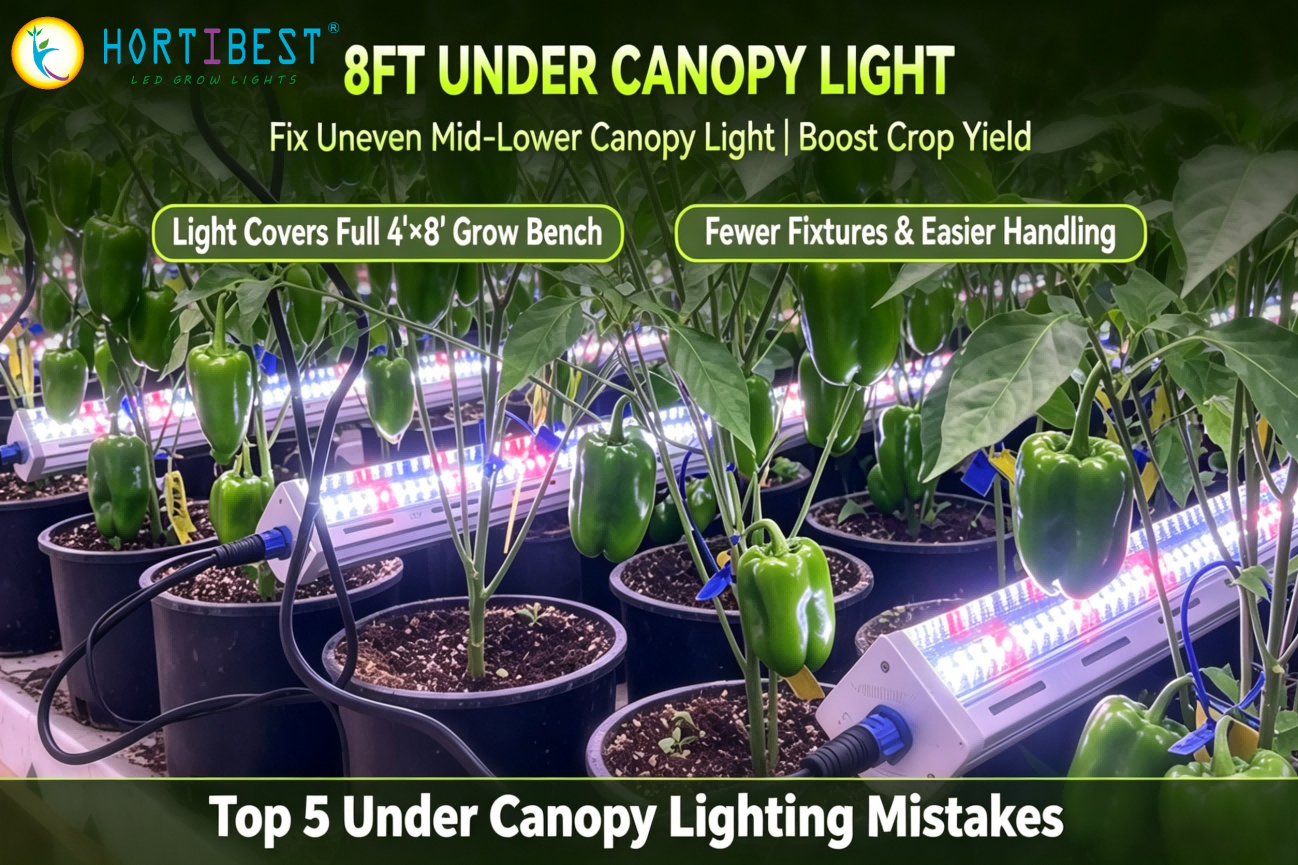 Top 5 Under Canopy Lighting Mistakes Commercial Growers Make | UCL Best Practices
 40% Higher Winter Strawberry Revenue: Minnesota Commercial Greenhouse Fixes High HVAC Costs & Pale Berries with Shark‑2600 Linear LED Grow Lights


