As spring arrives, growers across the country are gearing up for the new planting season. With daylight hours increasing but still inconsistent, LED grow lights have become an essential tool for optimizing yields and ensuring a head start on the growing cycle. This guide will explore the best LED grow light types for spring cultivation, highlight suitable crops, and share practical insights from using the Hortibest OG3-1300 (Veg) LED grow light in large-scale operations.
Why LED Grow Lights Are Crucial for Spring Cultivation
Spring brings fluctuating temperatures, unpredictable rainfall, and variable sunlight duration, all of which can impact the germination and early growth of vegetable and fruit crops. LED grow lights offer a reliable solution by providing consistent, targeted light spectra that mimic natural sunlight, accelerating seedling development and reducing the risk of crop failure.
One of the key advantages of LED technology is its energy efficiency. Unlike traditional HID lamps, LEDs consume less power while delivering high photosynthetic photon flux (PPF), which directly correlates to plant growth rates. Additionally, LEDs generate minimal heat, eliminating the need for excessive cooling systems and reducing the risk of heat stress on young plants.
Selecting the Right LED Grow Light for Spring Crops
When choosing an LED grow light for spring cultivation, growers should consider the following factors:
-
- Spectrum: Spring crops require a balanced spectrum with a focus on blue light (400-500nm) for vegetative growth and red light (600-700nm) for flowering initiation. The Hortibest OG3-1300 (Veg) features a Full Spectrum (FIF) design, which has been shown to promote larger flowers and increased yields in a variety of crops.
- Coverage Area: Large-scale growers need to ensure that the grow light can evenly illuminate the entire growing area. The OG3-1300 has a coverage area of 4' x 8', making it ideal for commercial greenhouses and indoor growing tents.
- Power Efficiency: With energy costs on the rise, selecting a grow light with a high PPF-to-watt ratio is essential. The OG3-1300 delivers 750 μmol/s of PPF with only 240W of power consumption, resulting in a PPF efficiency of 3.125 μmol/W.
- Dimming Capabilities: Spring light intensity varies throughout the day and week. A grow light with 0-10V dimming, like the OG3-1300, allows growers to adjust light levels based on natural sunlight availability, optimizing energy use and plant growth.
Spring Crops That Thrive Under LED Grow Lights
Several vegetable and fruit crops are particularly well-suited for spring cultivation under LED grow lights:
- Leafy Greens: Lettuce, spinach, kale, and arugula are fast-growing crops that benefit from the blue-rich spectrum of LED lights. They can be harvested multiple times throughout the spring season, providing a steady supply of fresh produce.
- Herbs: Basil, cilantro, parsley, and mint are popular spring herbs that require consistent light for optimal growth. LED grow lights can be positioned close to the plants (as low as 1ft) without causing heat stress, promoting bushy growth and high yields.
- Fruiting Vegetables: Tomatoes, peppers, cucumbers, and eggplants are long-season crops that benefit from early light supplementation. Starting these crops under LED grow lights in late winter or early spring can result in earlier flowering and fruiting, extending the harvest period.
- Berries: Strawberries, raspberries, and blueberries are perennial crops that can be propagated and grown under LED lights in the spring. The controlled environment provided by grow lights helps prevent diseases and ensures uniform plant development.
Practical Insights: Using the Hortibest OG3-1300 (Veg) in Large-Scale Spring Cultivation
As a grower who has used the Hortibest OG3-1300 (Veg) for several spring seasons, I can attest to its effectiveness in large-scale operations. Here are some key insights:
- ✅ One-Two Power Supply Design: The OG3-1300 features a one-two power supply design, which reduces the need for additional power units. This is particularly beneficial in large-scale operations where minimizing electrical infrastructure costs is crucial.
- ✅ High PPF Output: With a PPF of 750 μmol/s, the OG3-1300 provides ample light for vegetative growth. In my experience, seedlings grown under this light germinate 2-3 days faster than those grown under natural sunlight alone.
- ✅ Even Light Distribution: The corolla schematic design ensures even light distribution across the growing area. This eliminates hotspots and shadowed areas, resulting in uniform plant growth and higher yields.
- ✅ Durability and Reliability: The OG3-1300 has an IP65/Wet rating, making it resistant to moisture and dust. This is essential in a greenhouse environment where humidity levels are high. Over the past two spring seasons, I have not experienced any failures or malfunctions with the OG3-1300 units.
Spring Cultivation Tips for LED Grow Light Users
To maximize yields and efficiency when using LED grow lights in the spring, consider the following tips:
-
- Start Early: Begin supplementing light in late February or early March for crops that require a head start, such as tomatoes and peppers. This allows plants to establish strong root systems before transplanting outdoors.
- Monitor Light Intensity: Use a light meter to measure photosynthetic photon flux density (PPFD) at different points in the growing area. Adjust the height of the grow lights to maintain a consistent PPFD of 200-400 μmol/m²/s for vegetative growth and 400-600 μmol/m²/s for flowering.
- Combine with Natural Sunlight: When natural sunlight is available, position the grow lights to supplement rather than replace sunlight. This reduces energy costs and promotes more natural plant growth patterns.
- Adjust Spectrum as Needed: Some crops may benefit from a shift in spectrum during the spring season. For example, increasing the red light ratio in late spring can promote flowering in fruiting vegetables.
LED grow lights are an indispensable tool for spring cultivation, providing growers with the ability to control light conditions and optimize crop growth. The Hortibest OG3-1300 (Veg) is an excellent choice for large-scale operations, offering high PPF output, even light distribution, and energy efficiency. By selecting the right LED grow light and implementing best practices, growers can achieve earlier harvests, higher yields, and more consistent crop quality throughout the spring season.
For more information about the Hortibest OG3-1300 (Veg) and other LED grow light solutions, visit info@hortibest.com. Light the world, light the life—start your spring cultivation journey with the power of LED technology.
 EU PPWR Packaging Regulation Takes Effect Aug 12 | How Hortibest LED Grow Lights Fully Comply
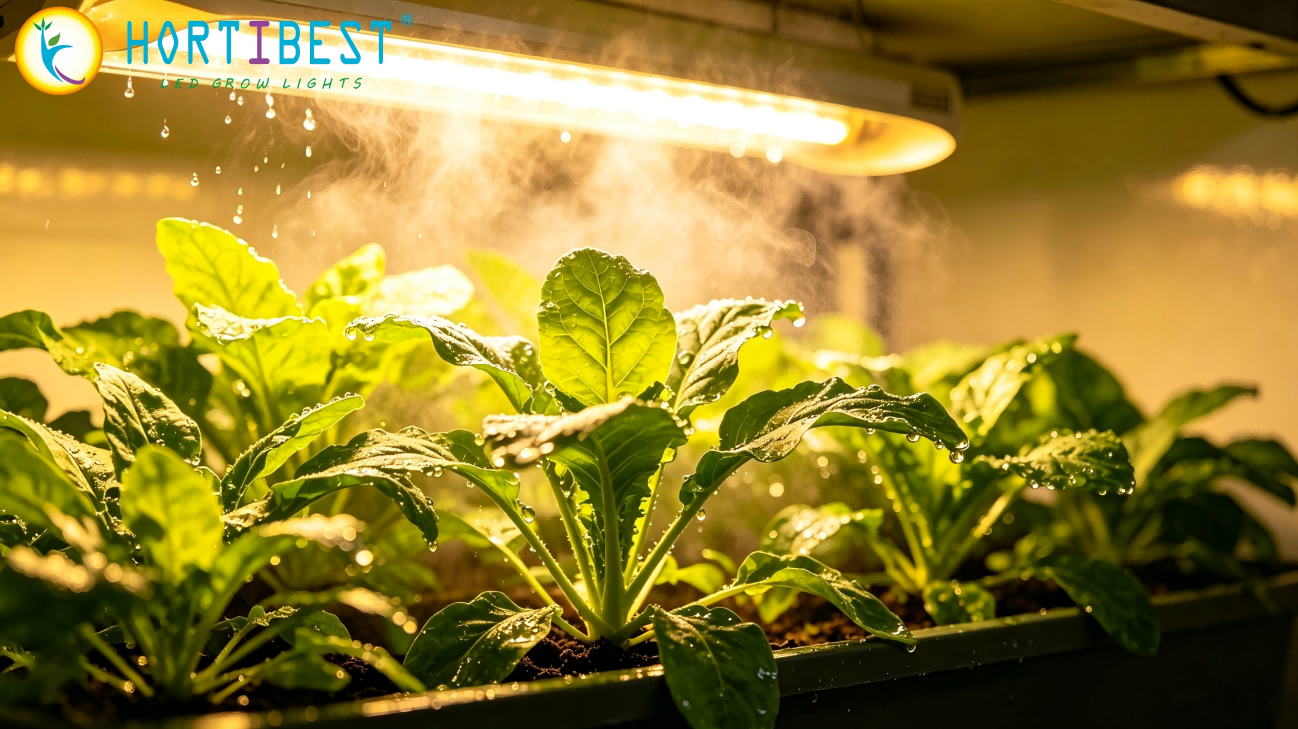 HPS to Tunable LED Grow Lights: Why Your Old Irrigation Schedule Will Cost You Yields
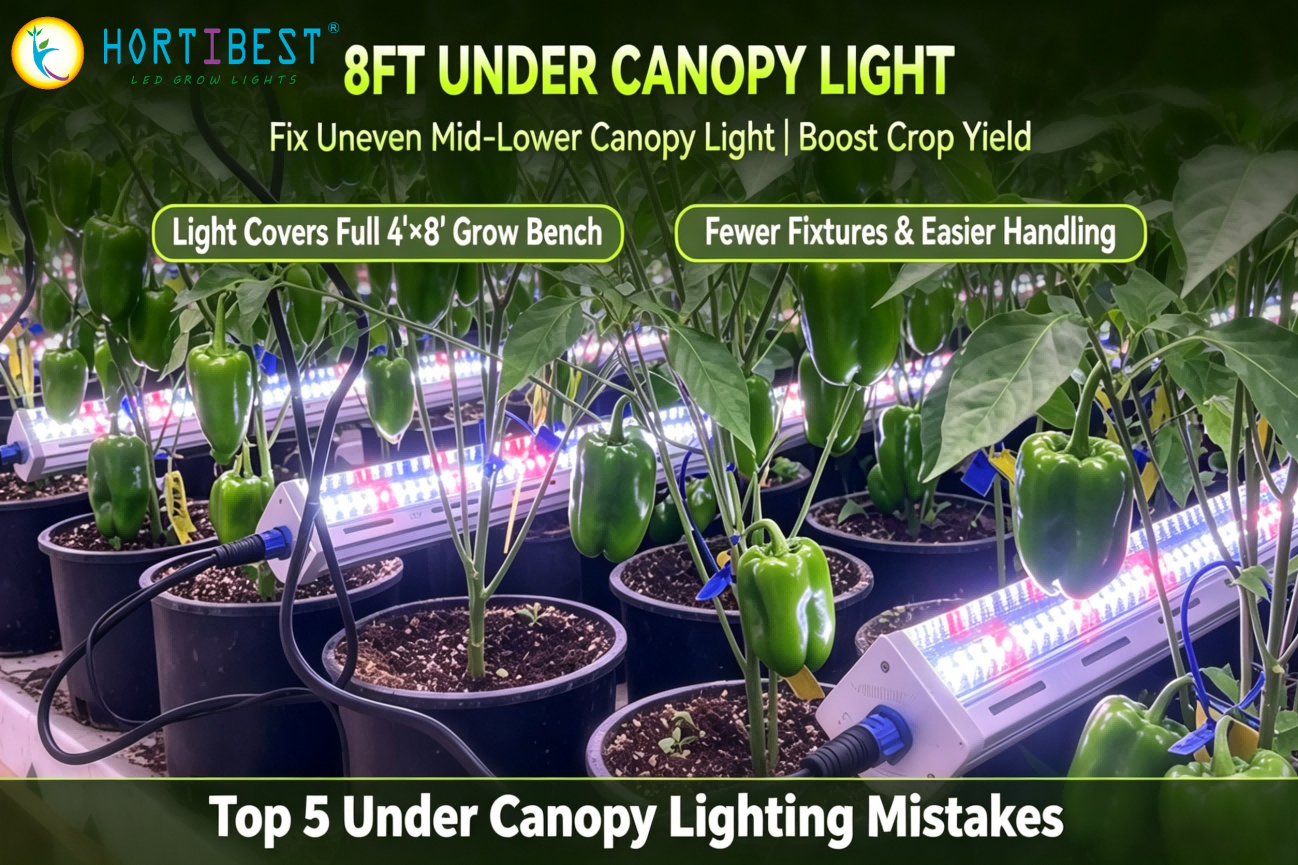 Top 5 Under Canopy Lighting Mistakes Commercial Growers Make | UCL Best Practices
 40% Higher Winter Strawberry Revenue: Minnesota Commercial Greenhouse Fixes High HVAC Costs & Pale Berries with Shark‑2600 Linear LED Grow Lights


