Hey there, green thumbs! You know how crucial sunlight is for plant growth, but light conditions can vary greatly across different geographies. To boost crop yields, enhance plant quality, and control growth cycles, plant growth lights have become widely used in indoor and greenhouse farming. So, what exactly distinguishes plant growth lights from regular lighting? Stick with me, and you'll understand in no time!
Difference 1:
Plant growth lights are tailored for plants, providing them with ample light to thrive and grow healthy. On the other hand, regular lighting is mainly for illuminating spaces or adding a decorative touch. You can't just use them interchangeably.
Difference 2:
Plant growth lights are crafted based on the photosynthesis principle that plants use sunlight. The popular ones on the market include full-spectrum and red-blue spectrum plant growth lights. Full-spectrum LED plant growth lights cover the visible light range from 400nm to 720nm (excluding the green light range). Red-blue spectrum plant growth lights, as you might guess, focus on red and blue light bands. Regular lighting, however, doesn't have such a concentrated spectrum. Different manufacturers use different light bulbs, leading to varied spectral outputs.
Here's the catch: with plant growth lights, every watt of electricity gets converted into light energy that plants can effectively use. When you use regular lighting to supplement plant growth, a lot of that energy goes to waste because it's not tailored for plants.
That's why it's wise to choose specialized plant growth lights for your gardening needs. Take the Octopus-G series, designed for high-light-demand plants like roses and tomatoes. These lights have made a splash globally, solving the light deprivation issues faced by indoor plants in high-latitude, cold, foggy, or rainy areas.
- Full-Spectrum, Mimicking Sunlight:
Sunlight includes UV light, visible light, and infrared light. Most UV light reaching Earth's surface is absorbed by the ozone layer. Visible light is what primarily drives plant growth. Our plant growth lights mimic sunlight, fulfilling plants' lighting needs throughout their growth cycle.
- Three-Channel Dimmable Folding Led Grow Lights:
- Three-Channel dimming, mixing personalized spectrum
- FlX spectrum, maximize the potential of plants
- High quality brand lamp beads accessories
- 3.3umol/j efficacy and 1640umol/m2/s PPFD
- 180° folding, plug and play:
We use high-quality ceramic sintered at 1600°C as the cooling element. This material offers excellent heat dissipation and eliminates the leakage risk associated with traditional aluminum substrates. The hollowed-out design enhances natural convection, optimizing ventilation, reducing light decay, and ensuring stable performance.
About HortiBest:
Since diving into the plant lighting industry in 2005, HortiBest in the USA has been dedicated to providing professional crop lighting solutions. Through extensive research on various plants, we offer scientifically designed light spectra, precise light intensity, and supplemental lighting durations. This ensures rapid plant growth, controllable flowering, quality enhancement, and quick color development and shaping. We help facility agriculture break free from the shackles of traditional farming, which relies heavily on weather conditions. With HortiBest, plant cultivation is no longer constrained by region, latitude, climate, or sunshine. To date, we've provided one-stop customized plant lighting services to tens of thousands of customers worldwide, boosting the yields and economic benefits of facility agriculture.


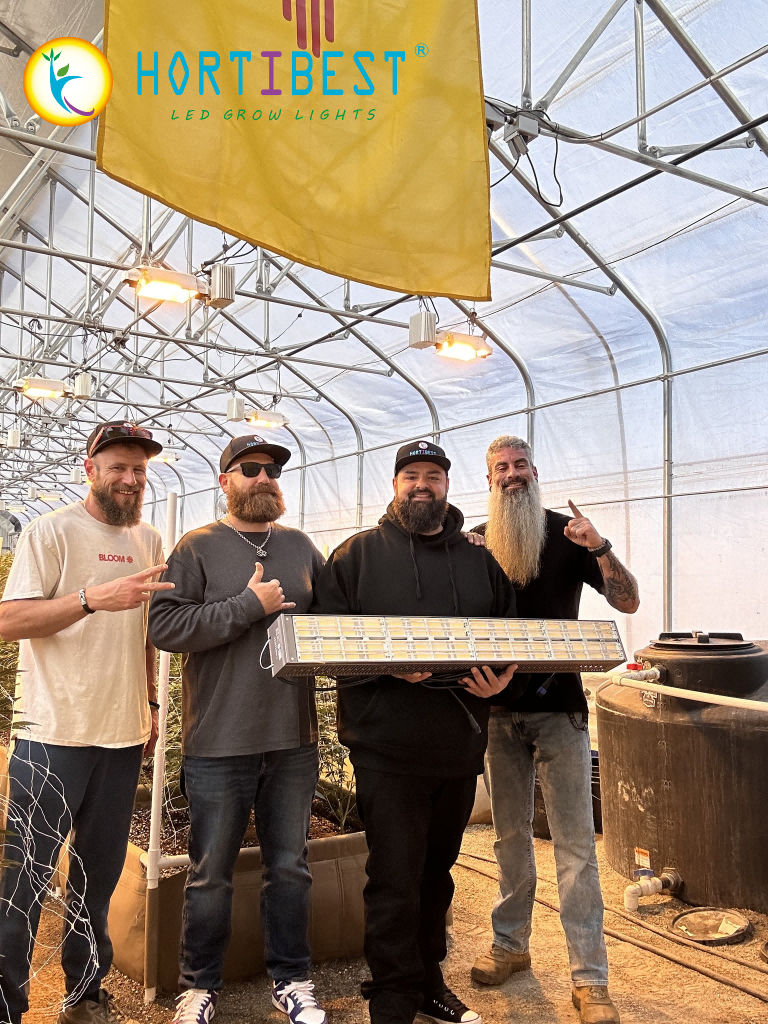 Case Study: Why an HPS Grower Switched to Shark‑2600 – Not for Savings, but for Even Light from Top to Bottom
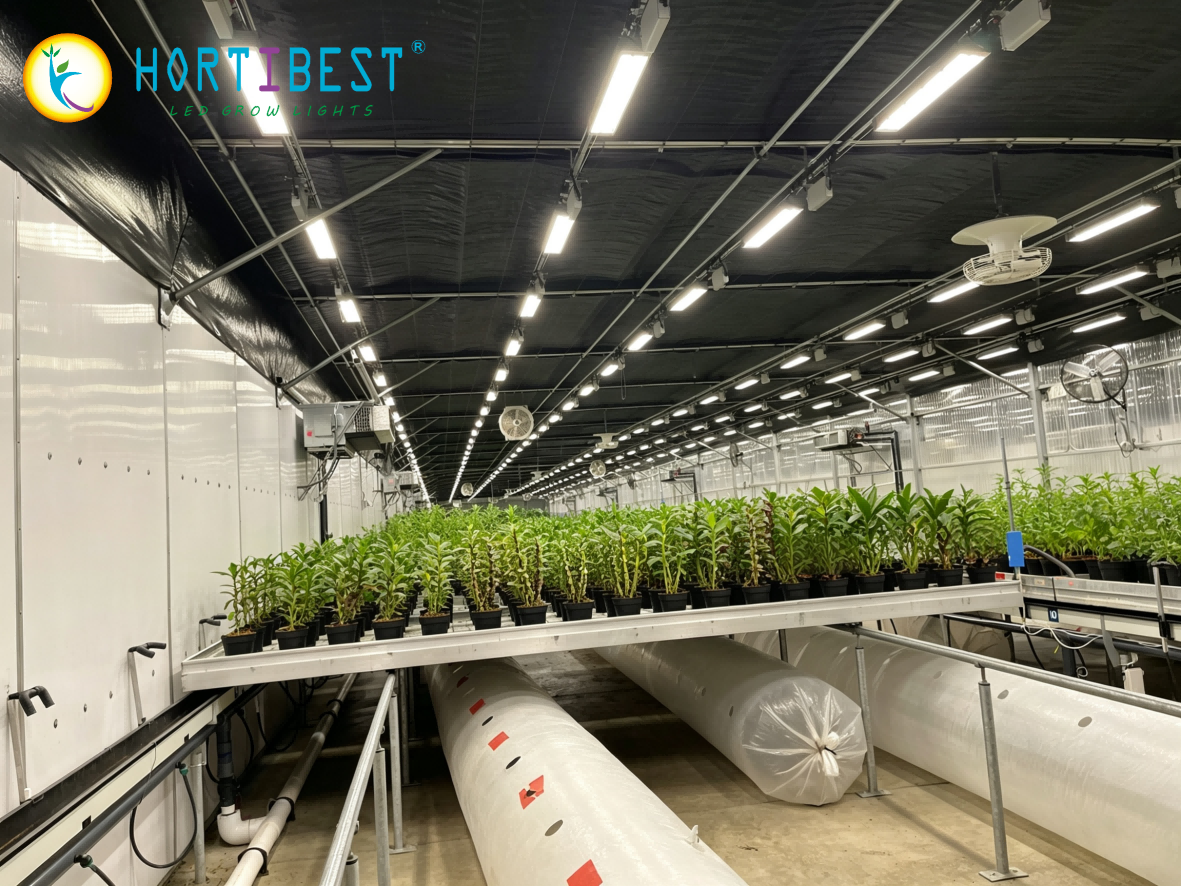 What Size Grow Light Do You REALLY Need? Stop Asking Watts – Use PPF, PPFD & DLI Instead
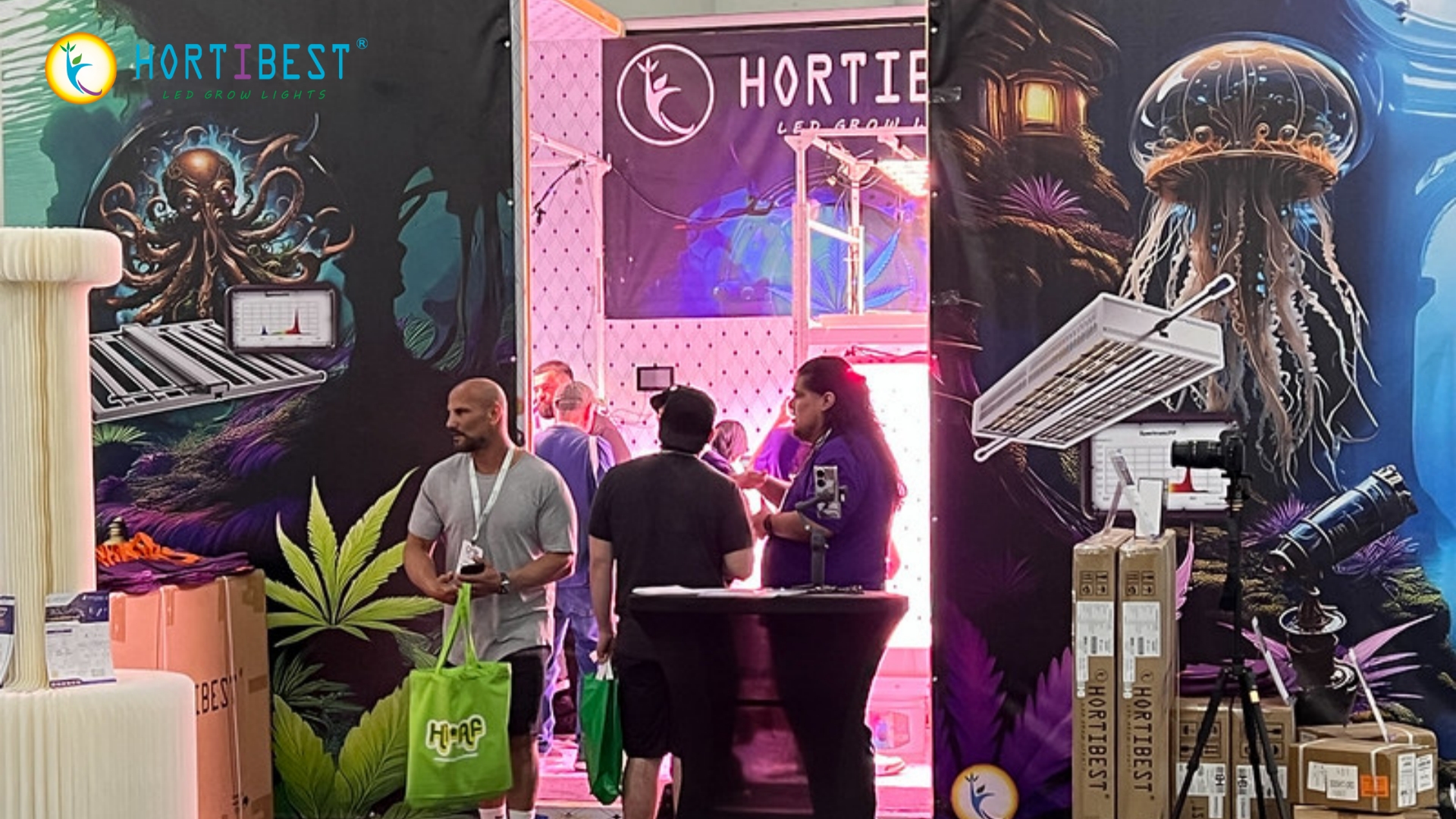 HortiBest LED Grow Lights-Development History
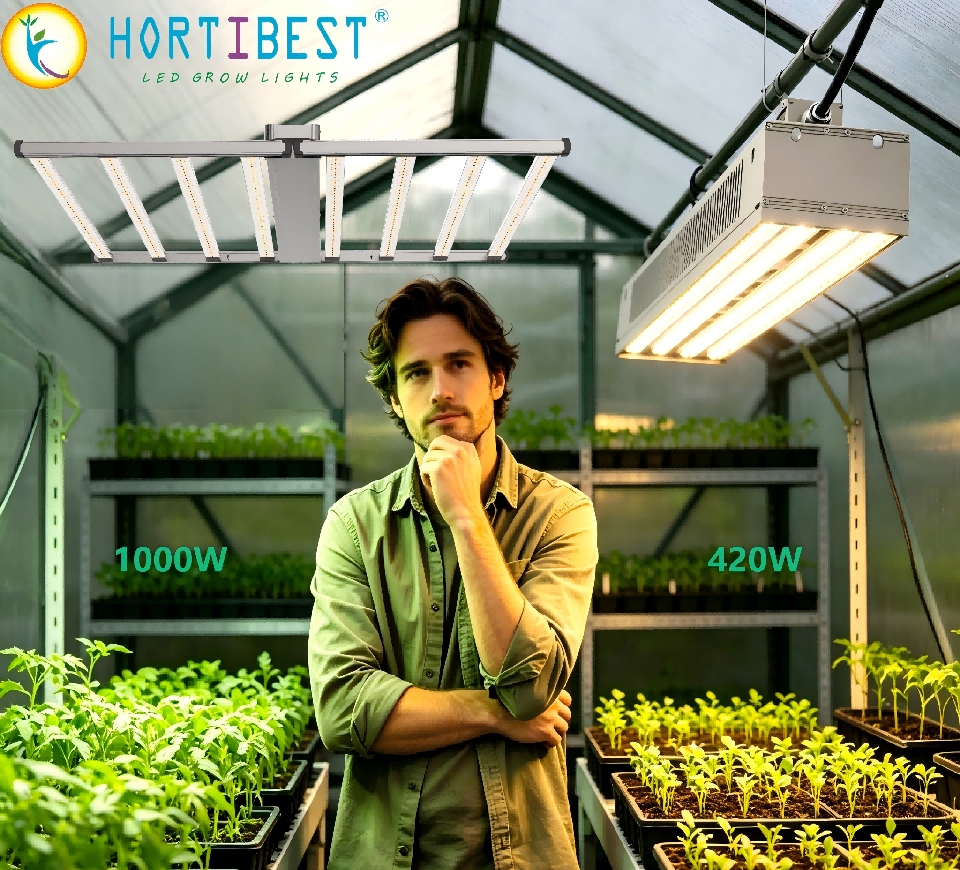 1000W vs 400W Grow Light: Which One Fits Your Grow?


