The rapid development of indoor hydroponic gardening is inseparable from the in-depth exploration of spectral wavelengths. Among them, 660nm and 730nm light play a crucial role. How do they contribute to plant growth? Let's find out!
660nm Red Light:
Promotes Growth: 660nm red light is a powerful aid in photosynthesis, enhancing chlorophyll formation and resulting in greener, more lush leaves. Studies have shown that exposure to this wavelength significantly increases plant growth, making it a top choice for indoor growers.
Induces Flowering: As plants transition from the vegetative growth stage to the flowering and fruiting stage, their need for 660nm red light increases. This wavelength can trigger the flowering response in plants, leading to higher yields and healthier flowers and fruits.
730nm Far-Red Light:
Activates Phytokines: 730nm far-red light plays a unique role in plant physiology. It activates photoreceptors called phytokines, regulating various processes such as seed germination, flowering, and stem elongation, acting like a biological switch for plant growth.
Controls Flowering Timing: By precisely controlling the exposure time to far-red light, growers can control the timing of flowering. This is particularly valuable when pursuing stable yields or conducting growth cycle experiments.
Overall Benefits:
Optimizes Photosynthesis: Using both 660nm and 730nm spectral light simultaneously in indoor hydroponic systems provides plants with balanced light, optimizing photosynthesis. This not only accelerates plant growth but also enhances overall plant health and resilience.
Energy Saving and Environmentally Friendly: LEDs emitting specific wavelengths have extremely high energy-saving effects. They deliver light directly to plants, reducing energy wasted as heat, saving on electricity bills and helping to maintain a stable growing environment.
Space Utilization: The compact design of LED plant lights allows growers to maximize space within indoor hydroponic systems. Due to their low heat radiation, these lights can be placed close to plants without burning them.
By fully utilizing the 660nm and 730nm light spectrum, Hortibest creates a better environment for plant growth, resulting in more efficient agricultural production and a better home life.

 Cloning Weed: What Is It & How to Clone A Weed Plant
 Causes & Solutions of Cyclosporiasis Combined with Detroit Vertical Farm Safety Outbreak Case
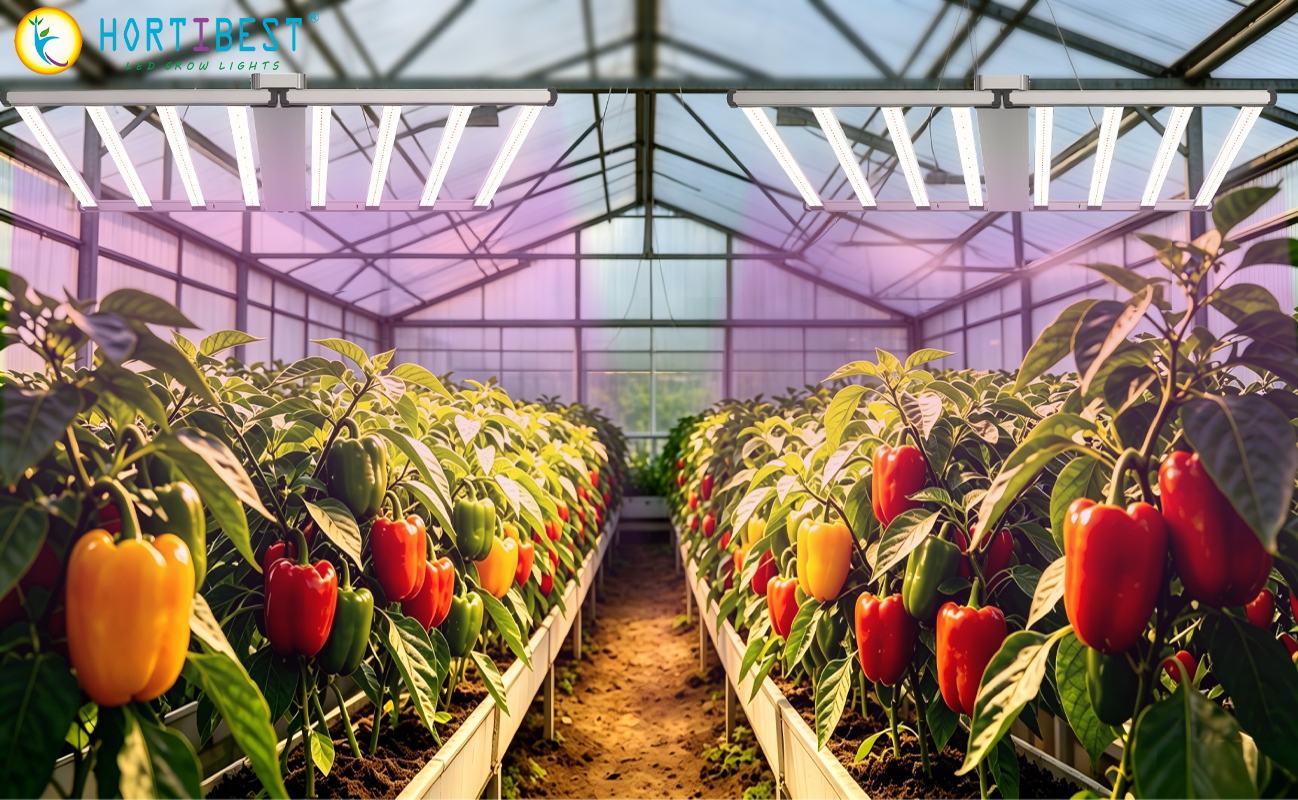 Far-Red Lighting Fixes Low-Light Fruit Drop for Bell Pepper Greenhouses
 Best Commercial Crops to Grow in US Greenhouses This July


