ct.
This is not full legalization—but it is the most impactful federal policy shift for herbal cultivation industry in 55 years. Below is what every indoor cultivator needs to know.
What Actually Changed —The Two-Phase Plan
Phase 1: Immediate Rescheduling (Effective Now)
▪️ Expedited DEA registration for state-licensed medical operators.
▪️ Ends Section 280E tax punishment for qualifying medical businesses; DOJ encourages the Treasury to provide retroactive 280E relief for past years.
Phase 2: Full Broad Rescheduling (Hearing June 29 – July 15, 2026)
▪️ A new expedited hearing will consider moving all regulated herbal products (including adult-use) to Schedule III. This will resolve the split between medical and adult-use markets.
3 Game-Changers for Indoor Growers
1. Massive Tax Relief (280E Is Gone for Medical Operators)
For decades, Section 280E blocked herbal cultivation businesses from deducting ordinary expenses (rent, labor, utilities, equipment), pushing effective tax rates to 70%+.
Now, qualifying medical operators deduct all standard business expenses—just like any legal U.S. business—with potential retroactive refunds for past overpayments.
It means that, for a 10,000 sq ft grow with $1.5M annual revenue:
▪️ Before: $1.5M taxable income (no deductions) → $600k federal tax (40% rate)
▪️ After: $500k taxable income (post $1M deductions) → $105k federal tax (21% corporate rate)
▪️ Net Gain: ~$495k/year in extra cash flow

2. Real Banking & Institutional Capital
Cash-only operations are ending. Banks and lenders now serve compliant businesses with minimal federal risk, meaning:
▪️ Easier loans for vertical farm expansions or greenhouse retrofits.
▪️ Better terms on equipment financing.
▪️ Access to institutional investment—critical as large-scale indoor farms become the industry norm.
3. Indoor Growing Becomes the Official Mainstream
Federal policy now favors regulated, controlled, monitored environments.Indoor and vertical farms will capture more market share because:
▪️ Compliance verification made easy
▪️ Stable quality and potency
▪️ Faster, predictable yield cycles
But here’s the catch: Every grower gets these benefits. To win, you need to turn tax savings into efficiency and quality advantages—starting with lighting.
Hortibest Solves Your 3 Biggest Post-Schedule III Challenges
Challenge 1: High Energy Costs Drain New Cash Flow
Indoor growers spend $200+/month on electricity for lighting alone . Hortibest’s DLC-listed LED grow lights deliver:
▪️ 3.0+ μmol/J efficiency: Cut energy bills by 50–60% vs. HPS lights. For a 10,000 sq ft grow, that’s $12,000+/year in savings.
▪️ Smart heat management: Reduces HVAC costs (a hidden 30% of your energy bill) by emitting less waste heat.
Challenge 2: Subpar Potency Limits Profit Margins
Buyers demand higher THC (25% average today vs. 1% in the 1980s) and richer terpenes. Hortibest’s flexible spectrum options include dual-channel, tri-channel and full-spectrum models. Our OG8 3300 tri-channel adopts a balanced blend of blue, red, far-red and white light, specially formulated for commercial cannabis cultivation.
▪️ Boosts cannabinoid production by 25–30% and terpenes by up to 30%
▪️ Growth cycle tuning: Blue-heavy vegetative mode (strong roots); red-heavy flowering mode (max bud yield)
▪️ 95%+ uniform canopy coverage: No hot spots/shade—every plant produces sellable, high-quality flower
Challenge 3: Compliance Hurdles Slow Scaling
New regulations demand stricter equipment standards. Hortibest’s commercial-grade grow lights:
▪️ DLC-qualified & UL 8800 certified: Eligible for utility rebates (up to $0.15/kWh saved) and passes state inspections
▪️ 5-year warranty: Minimizes downtime during scaling
Real-World Impact (5,000 Sq Ft Grower)
▪️ Tax savings: ~$247k/year
▪️ Energy savings: ~$6k/year
▪️ Potency premium: ~$30k/year (20% higher price for 25-30% THC flower)
Why Hortibest Fits the Schedule III Era?
We’re more than a lighting provider—we’re a partner for growers navigating post-rescheduling regulations worldwide. Our team helps:
▪️ Design custom lighting layouts (vertical farms, greenhouses, indoor rooms)
▪️ Calculate utility rebate eligibility ($5k–$15k average per facility)
▪️ Align lighting with regional compliance rules
This policy rewards growers who invest in quality, efficiency, and compliance. Hortibest turns your tax savings into lasting competitive advantage—so you don’t just survive the boom, you dominate it.
Ready to maximize your Schedule III profits? Schedule a free lighting consultation. We’ll audit your setup, calculate potential savings, and design a solution that turns policy wins into real cash.
This content is for general industry information only and does not constitute legal advice. All cultivation activities must comply with local, state, and federal laws.
 EU PPWR Packaging Regulation Takes Effect Aug 12 | How Hortibest LED Grow Lights Fully Comply
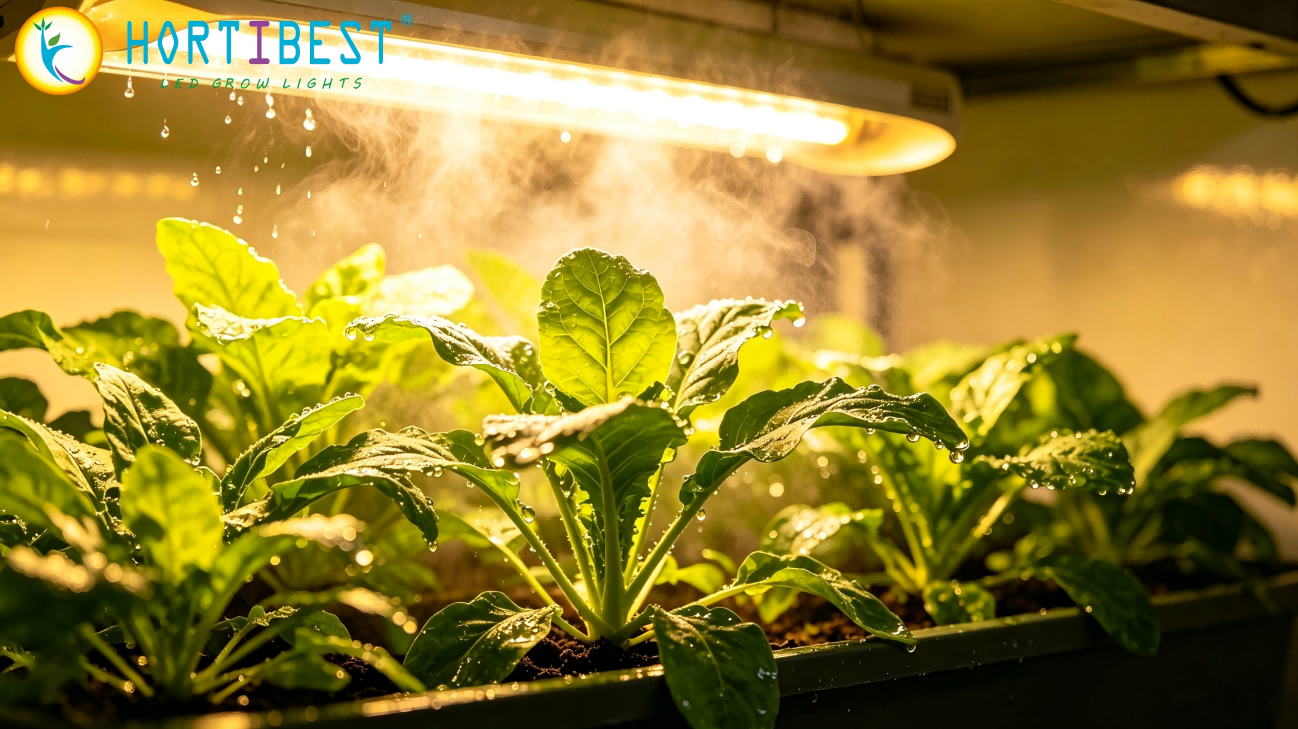 HPS to Tunable LED Grow Lights: Why Your Old Irrigation Schedule Will Cost You Yields
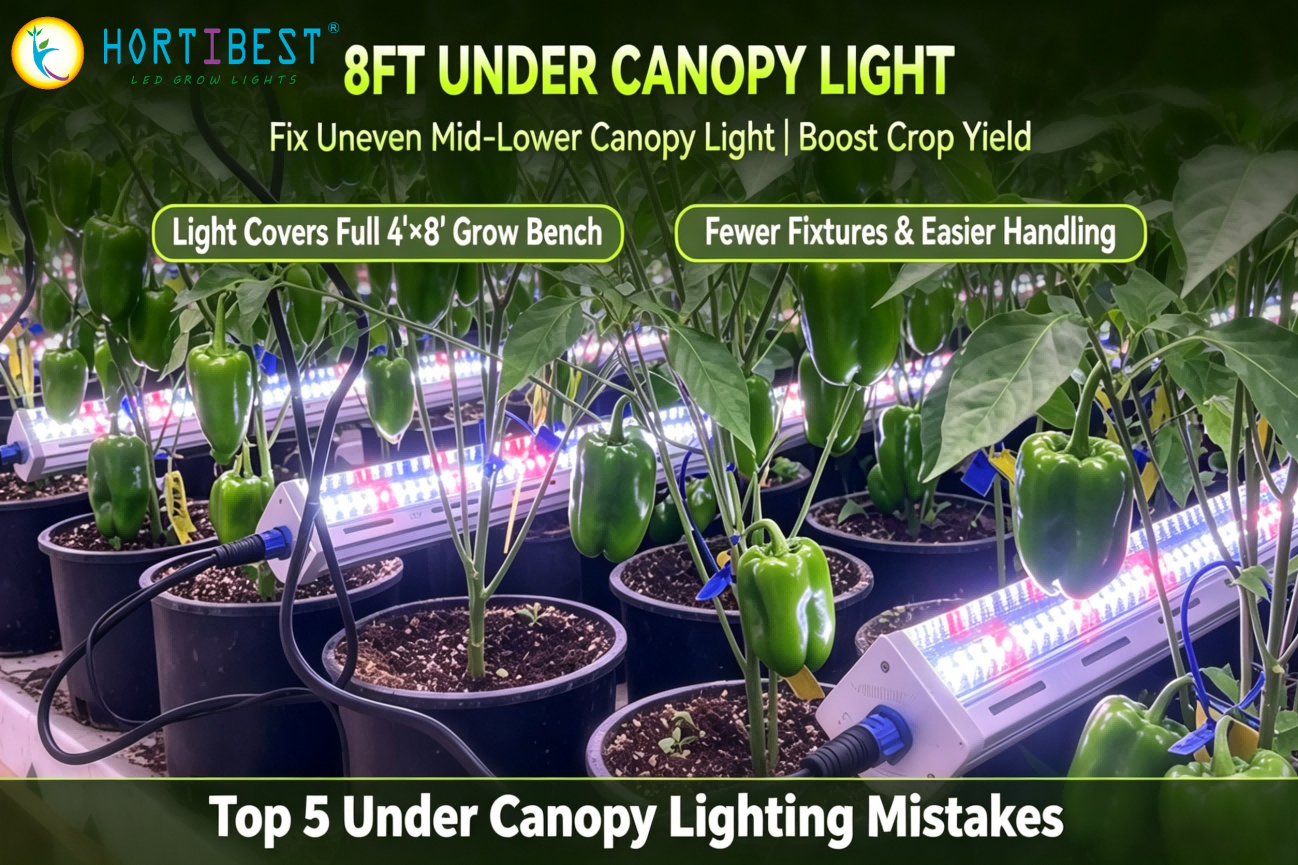 Top 5 Under Canopy Lighting Mistakes Commercial Growers Make | UCL Best Practices
 40% Higher Winter Strawberry Revenue: Minnesota Commercial Greenhouse Fixes High HVAC Costs & Pale Berries with Shark‑2600 Linear LED Grow Lights


