USDA hardiness zones face vastly different summer light and temperature conditions in July, creating major production challenges for all commercial greenhouse operators. Northern zones 3–6 suffer insufficient natural daylight, while Zones 7–10 in California, Texas and Florida struggle with extreme high temperatures over 95°F. Without precise indoor light and temperature regulation, seedlings stretch, flowering slows, and herbs bolt prematurely, cutting your wholesale profits.
Climate-controlled greenhouses with calibrated light systems stabilize temperature, humidity and daily light exposure to deliver uniform, continuous high-margin crop production all mid-summer. Below are market-ready, high-profit crops optimized for mass greenhouse propagation this month.
1. Ornamental Flower Seedlings and Finished Potted Plants
Heat-Tolerant Annuals Sown in July for Fall Holiday Retail
Zinnia, Marigold, Portulaca Moss Rose, Vinca, Chrysanthemum
These fast-blooming annuals form core inventory for national garden center wholesale orders. Open field heat leads to inconsistent bloom sizes and poor germination rates. Stable greenhouse temperatures produce evenly mature seedlings with minimal waste. The warm, controlled indoor environment speeds up cuttings and seeding cycles to build stock for Halloween and autumn retail demand. Portulaca Moss Rose is a drought-tough succulent flower that sells exceptionally well across hot southern U.S. regions.
Perennial Cut Flowers and Landscape Nursery
Rudbeckia, Gaillardia, Salvia, Sedum, Hibiscus, Daylily
Landscaping contractors and floral wholesalers place steady year-round bulk orders for these native U.S. perennials. Consistent greenhouse warmth accelerates root division and cutting rooting, shortening production timelines so fully developed plants ship ahead of peak fall landscaping project seasons.Northern Zone Specialty Flowers USDA 3 to 6
Petunia, Snapdragon, Hardy Daylily
Natural summer daylight in northern regions is far too limited for compact, full blooms. Supplemental indoor lighting extends effective daily light periods, producing tight, flower-rich potted stock ready for regional retail shipments by early September.
2. High-Value Commercial Culinary Herbs
Genovese Basil, Rosemary, Oregano, Dill, Cilantro, Chives
Unregulated high indoor heat triggers early bolting, creating bitter, discolored foliage that fails grocery quality standards. Multi-tier hydroponic greenhouse setups with matched light layouts enable endless repeated harvest cycles. Starting mass propagation in July builds reliable weekly supply chains for high-end restaurants and national supermarket fresh produce departments.3. Zoned Commercial Vegetable Planting
Southern Hot Zones USDA 7 to 10 CA TX FL Heat-Loving Fruiting Crops
Okra, Bell Peppers, Chili Peppers, Zucchini, Bush Beans, Slicing Cucumber
Outdoor temperatures over 95°F stall blossom development and drastically reduce fruit set. Balanced temperature and consistent light inside controlled facilities stabilize pollination. Staggered July seeding delivers continuous fresh produce and lets you capture premium off-season pricing from regional distributors.
Northern Zones 3 to 6 Fast-Growing Fall Seedling Production
Kale, Arugula, Swiss Chard, Baby Leaf Lettuce, Carrot Plug Seedlings
July is the key seeding window for autumn salad vegetable supply chains. Short natural daylight leads to weak, thin plugs; optimized indoor lighting generates robust, high-survival starter plants for large-scale late-summer transplant.
Final Note for Commercial Growers
Unstable heat and light outdoors trigger severe yield reduction and inconsistent crop quality for field production. Fully regulated greenhouses enable steady batches of high-margin flowers, specialty herbs and leafy greens, helping your lock long-term bulk wholesale contracts through the full fall selling season.
 EU PPWR Packaging Regulation Takes Effect Aug 12 | How Hortibest LED Grow Lights Fully Comply
 HPS to Tunable LED Grow Lights: Why Your Old Irrigation Schedule Will Cost You Yields
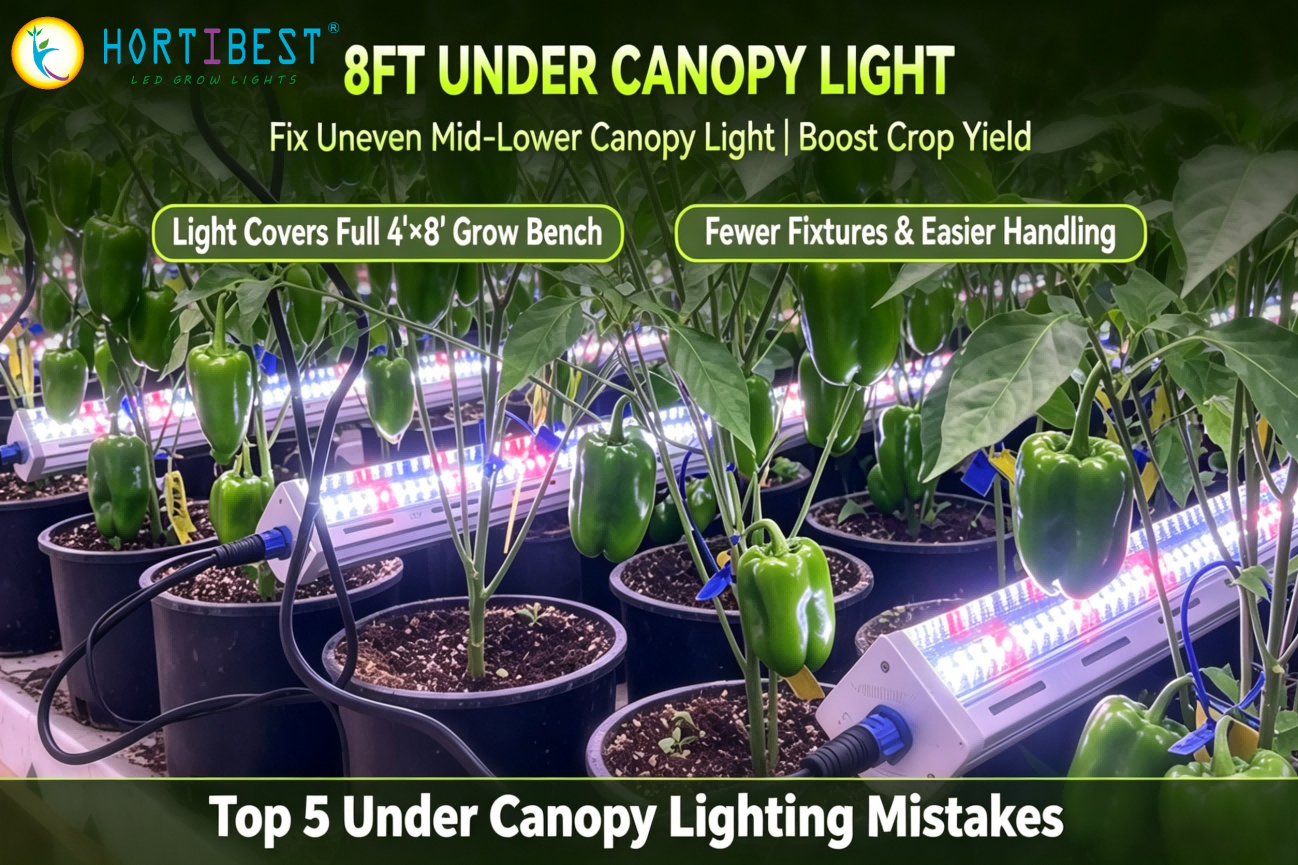 Top 5 Under Canopy Lighting Mistakes Commercial Growers Make | UCL Best Practices
 40% Higher Winter Strawberry Revenue: Minnesota Commercial Greenhouse Fixes High HVAC Costs & Pale Berries with Shark‑2600 Linear LED Grow Lights


